
Why Being Able to See What’s Ahead Can Change How a Home Feels
There is something about August that naturally pulls our attention toward the horizon.
Summer is still very much alive, but we can sense another season approaching. Vacations begin winding down. Families start thinking about fall. Schedules reorganize. Projects that felt distant suddenly move onto the calendar.
We begin looking ahead.
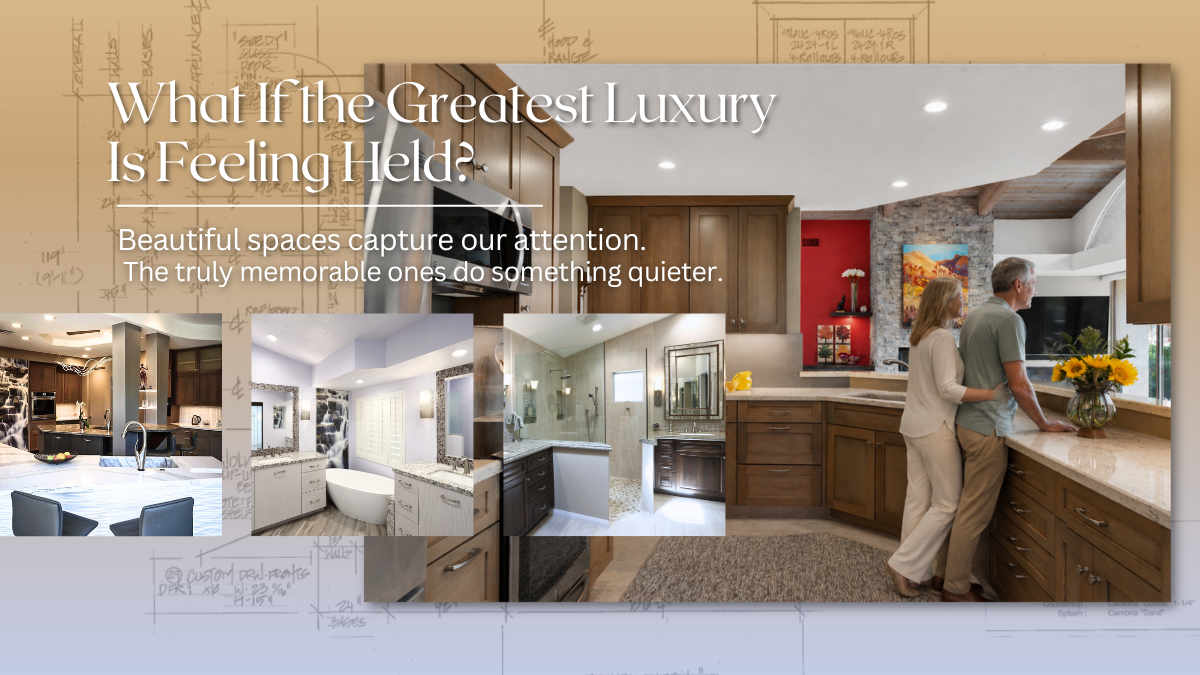
Interestingly, our homes can give us that same experience. Walk into a room where your view stops almost immediately—at a wall, tall cabinet, visual obstruction, or poorly positioned architectural element—and notice how the space feels.
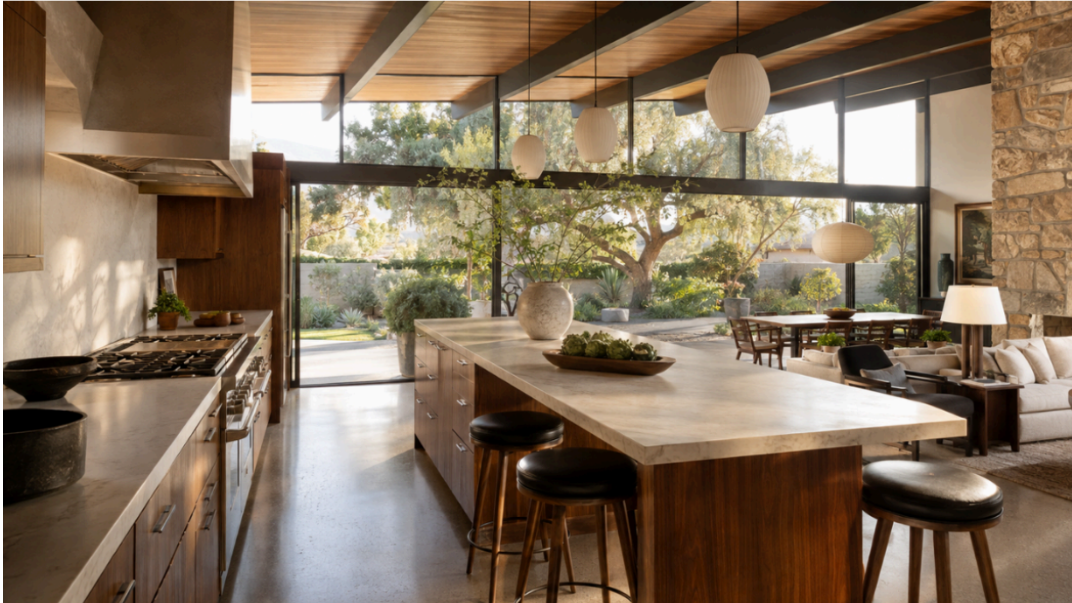
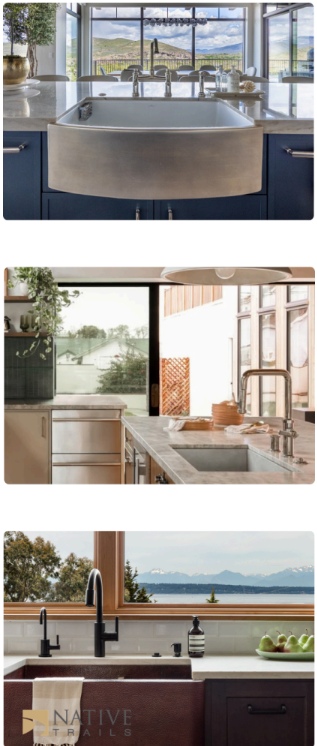
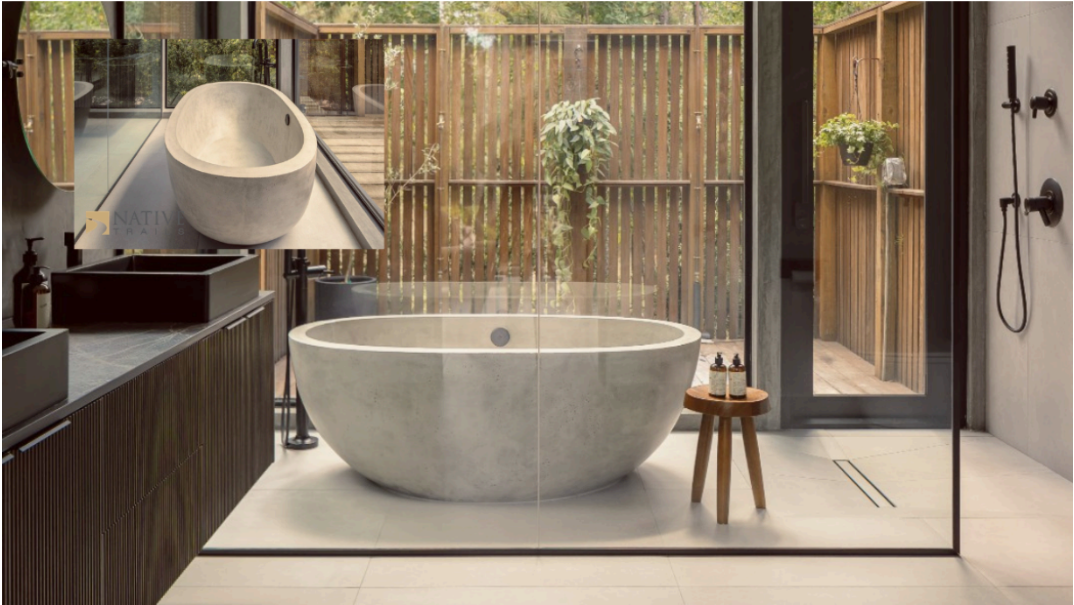
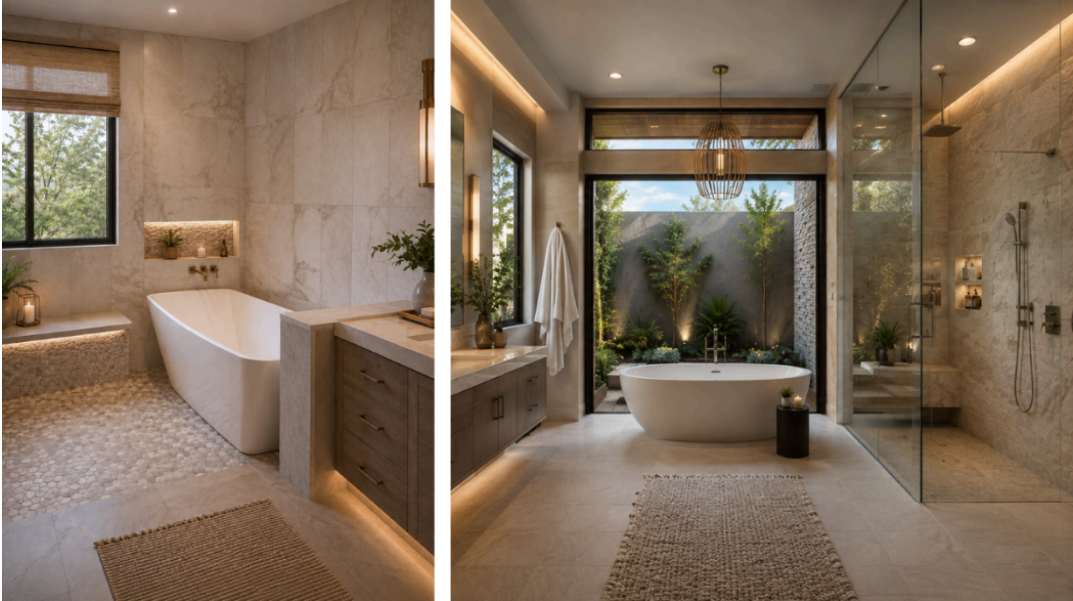
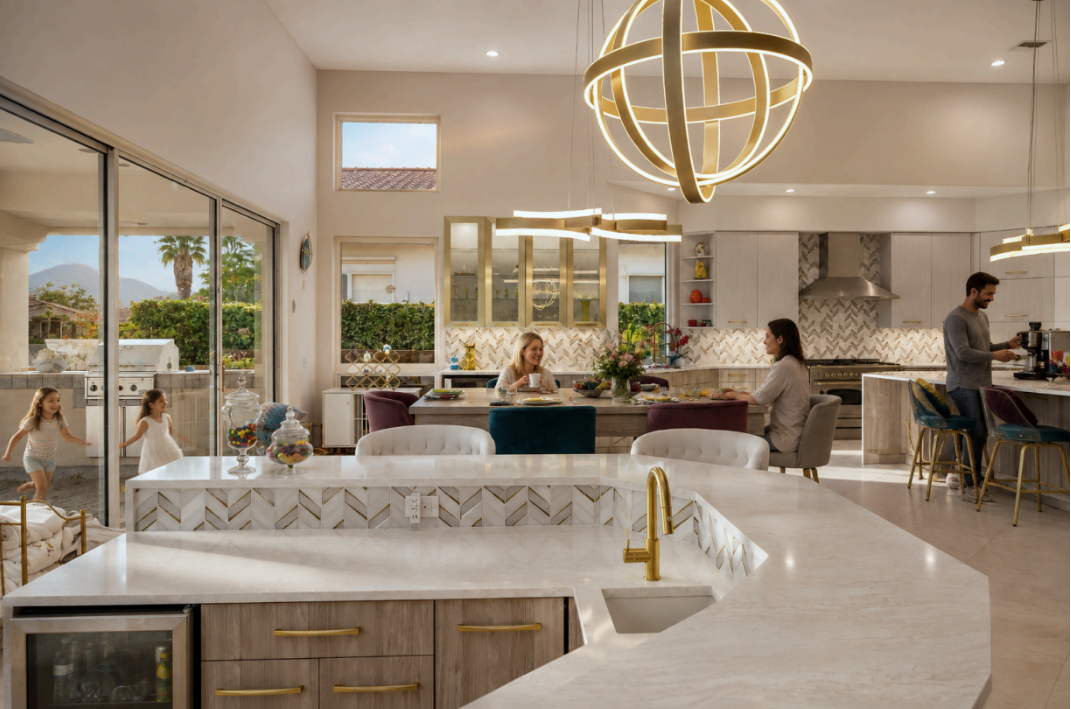
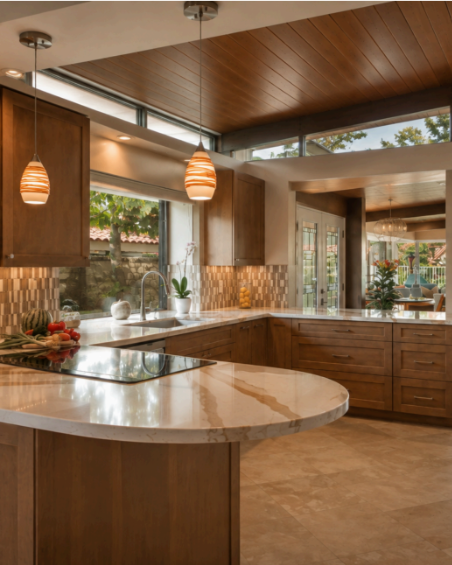
Then walk into a home where the eye is allowed to travel—across the kitchen, through the dining room, toward a wall of glass, and finally into the garden or landscape beyond.
Something changes. The room doesn't simply appear larger; you feel differently within it. Mid-century modern architects understood this intuitively. Designers such as Joseph Eichler, John Lautner, and Cliff May dissolved the visual boundaries between indoors and out through open planning, expansive glazing, courtyards, and long architectural sightlines, allowing the landscape to become part of the experience of the home. Today, biophilic design gives this instinctive human preference a name: Prospect—the ability to see outward and across a distance, giving us a greater sense of orientation, openness, and awareness of what lies ahead.